
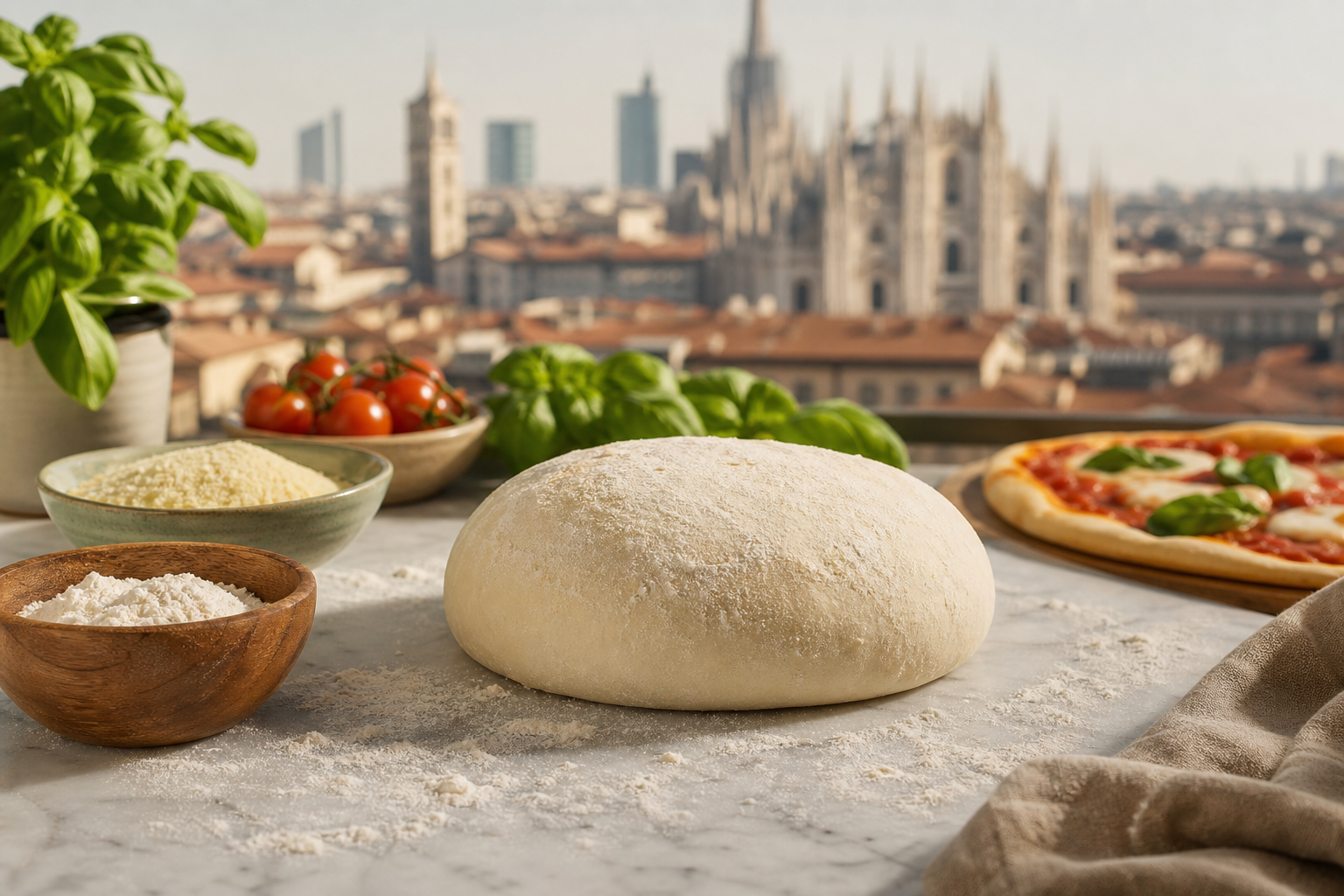
If you need gluten free pizza dough for celiac disease, non celiac gluten sensitivity, or to avoid gluten for other reasons, a few precise questions will save time and reduce risk. This checklist names the specific concerns that predict safety and a good crust, and it tells you what to listen for from restaurants, suppliers, or packaged dough sellers. Where it matters locally, the notes point to how Milano Pizzeria in Kemptville maps to these checks, but always confirm safety details with staff before you order. For quick local ordering, Milano offers online delivery and pickup and lists gluten free dough at no extra charge for small and medium pizzas on its site.
Safety questions to ask before you trust a gluten free pizza
If you have celiac disease, cross contact with wheat is the single biggest risk. Ask these questions every time and accept only clear, specific answers.
- Do you have a written allergen policy and is gluten listed separately? An explicit policy is better than an offhand reply. If staff refer to a generic answer, ask to see the listing or ask for the manager.
- Do you use a dedicated gluten free prep area and utensils? A positive answer reduces risk. If the kitchen uses the same board, peeler, or knife without cleaning procedures described, cross contact is more likely.
- Is the gluten free dough baked in a separate oven or on a separate stone? Shared ovens raise risk, especially when flour is in the air. If staff say they bake everything together and only brush off debris, that is a higher risk answer.
- Do you prepare gluten free pizzas only on request and can you show how staff avoid cross contact during busy service? Look for a step by step explanation, not a short no.
- Are items like sauces and toppings stored and handled separately? Shared ladles or communal topping bins increase the chance of contamination.
For a quick sourcing overview, remember that bakery and retail options exist as alternatives to restaurants, and each route has different controls and trade offs. If you want to compare options before asking a restaurant about procedures, see a short primer on where to buy gluten free pizza dough (where to buy).
What counts as an acceptable reply for celiac versus mild sensitivity
If you have celiac disease, acceptable replies name dedicated surfaces, separate utensils, or separate baking precautions, or they point to formal certification. If you have a milder sensitivity, staff who describe careful cleaning and single-order handling may be acceptable. Never assume safety from a vague answer.
Which ingredient and technique questions predict a good crust
Texture problems are the most common disappointment with gluten free pizza. Ask suppliers or the kitchen these ingredient and technique questions to predict whether a crust will be crisp, hold toppings, and avoid a gummy centre.
- What flour blend do you use? High quality gluten free blends or pizza specific '00' style gluten free flours tend to perform better than a generic single flour. For background on flour choice and why blends matter, see the King Arthur Baking guide (gluten free baking guide).
- Do you add binders like xanthan gum, psyllium husk, or egg? Binders are essential to prevent cracking and to give the dough structure. Without a binder the crust often crumbles or will not stretch properly; mix reviews explain this trade off (binder discussion).
- Do you par bake the crust before adding sauce and toppings? Par baking for several minutes is the single most reliable way to avoid a gummy centre, according to tests and recipes used by experienced gluten free bakers (pre-baking advice).
- What oven temperature and surface do you use? A very hot oven and a stone or steel produce a crisper bottom. If staff cannot describe oven temperature or surface, the crust may end up undercooked or soggy.
- How much hydration does your dough have? Hydration affects workability and the finished texture. Technical FAQ resources explain why hydration and kneading time matter when judging dough handling (pizza dough FAQ).
Compare where the dough comes from: restaurant, store, or homemade
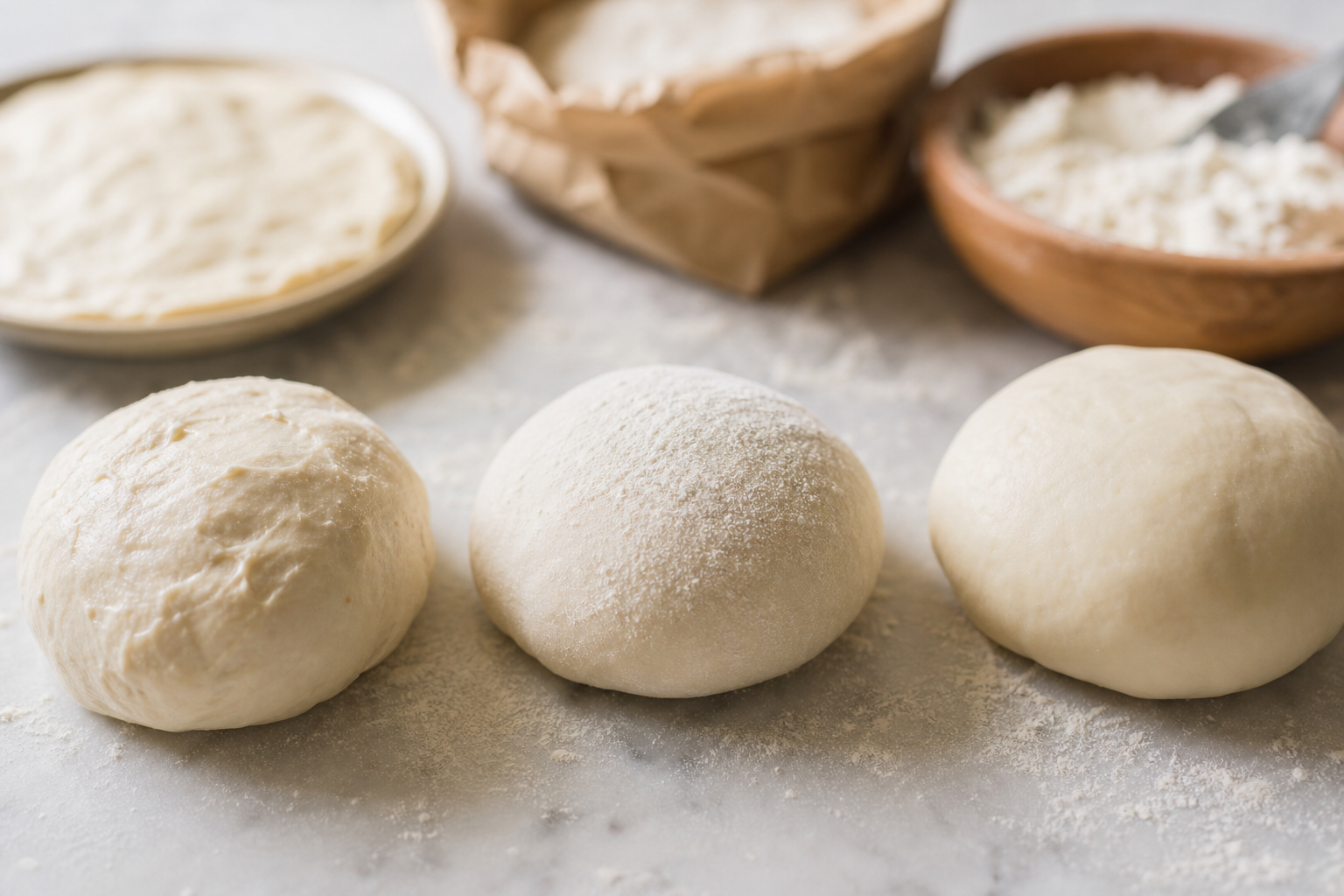
Each sourcing route has trade offs. Ask these sourcing-specific questions before you commit.
- Restaurant made, pros: convenience, hot pizza delivered or ready for pickup, and local promotions. Cons: potential cross contact risk if the kitchen does not use dedicated procedures. If you choose a restaurant, confirm the safety and technique questions above. Milano Kemptville advertises online ordering, delivery and pickup, and free gluten free dough on small and medium pizzas, which can make restaurant ordering appealing for convenience (Milano Kemptville).
- Store bought or frozen dough, pros: predictable ingredient list and the ability to bake at home to your standards, many high quality frozen or par-baked options exist. Cons: some commercial crusts are thin or prone to cracking, so check reviews and product descriptions before you buy (where to buy).
- Homemade, pros: complete control over flour blends and binders, and you can par bake and finish to taste. Cons: requires time, equipment, and a tested recipe. If you want the best results, follow recipes that were tested for crispness and structure (tested recipe).
Ordering and delivery checks for Kemptville customers
If you live in Kemptville, a few simple checks before you click order will help you get the best result and preserve safety.
- Confirm the free gluten free dough policy and size limits when you order online, and add a note about allergy handling. Milano Kemptville publishes that small and medium pizzas can use gluten free dough at no extra charge, and the site supports adding order notes during online checkout (Milano ordering).
- Ask whether the pizza will be boxed and transported upright or flat. A flat box keeps toppings and steam in contact with the crust, which can increase sogginess in transit.
- Consider pickup if you or someone in your party is highly sensitive. Pickup shortens time in transit and lets you confirm handling with staff before you leave.
- Use promotions wisely. A site-wide discount can make trying a local gluten free option less risky, but do not trade safety for savings.
Exact script: the questions to ask staff and how to interpret answers
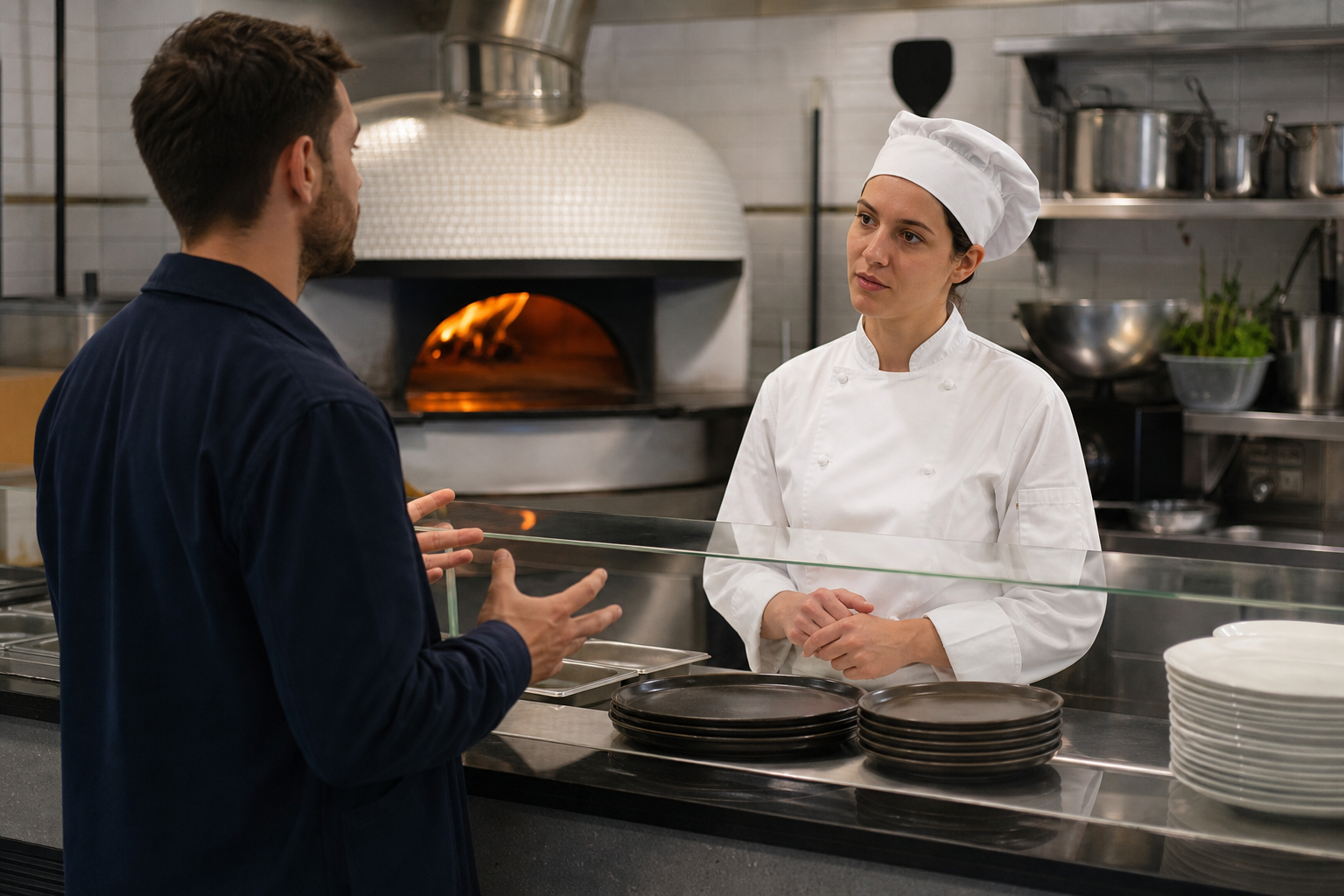
Below are short, word-for-word questions you can use by phone, in person, or in the online order note. Each question includes the answer you should hear for lower risk.
- Question: "Do you have a written allergen or gluten policy?"
Acceptable answer: A description of policy or offer to send details. A flat no or vague answer is a concern. - Question: "Do you prepare gluten free pizzas on a separate surface and use separate utensils?"
Acceptable answer: Yes, with a short description of the prep steps. If staff say they only wipe surfaces, that increases risk. - Question: "Will the gluten free pizza be baked separately or on a separate stone?"
Acceptable answer: Yes, baked apart or on a dedicated tray. Shared oven with airborne flour is riskier. - Question: "Do you par bake the crust before adding sauce and toppings?"
Acceptable answer: Yes, par baked for several minutes. If staff are not sure what par baking means, expect a softer centre. - Question: "Can you list the major ingredients in the dough or binder you use?"
Acceptable answer: A named flour blend and binder like xanthan or psyllium. Blank answers make texture and allergen checks harder.
What to do after pickup or delivery to preserve crust texture
Even the best gluten free crust benefits from a few handling steps the moment you receive it.
- If the centre seems underbaked, finish the pizza directly on a hot baking steel or stone in a preheated oven for 3 to 6 minutes to crisp the bottom, as recommended by gluten free testing sources (reheat and crisp tips).
- Use a dry skillet over medium heat for 2 to 4 minutes for single slices when you want crispness without reheating the whole pie, a trick used in home recipes (home reheating).
- If you have leftovers, store them without heavy sauce pooling on slices, and reheat from cold in a hot oven rather than the microwave to avoid gummy texture.
Decision criteria and red flags: when to order, when to walk away
Use these quick decision rules when you are short on time.
- Order when staff give clear, specific answers about dedicated prep or separate baking, list a suitable flour blend and binders, and can describe par baking or oven temperatures.
- Walk away or choose another option when answers are vague, staff cannot describe how they prevent cross contact, or they refuse to add an order note about allergy handling.
- Prioritise homemade or store bought if you need full ingredient control or certification that a restaurant cannot provide. Good frozen or par-baked options let you finish the bake at home for crispness and safety (buying options).
- For celiac diners prefer vendors who can document their procedures or who are willing to accommodate a separate prep and bake process, or pick an alternative you can make at home.
Frequently asked questions
Is restaurant-prepared gluten free pizza safe for people with celiac disease?
It depends on the restaurant controls. Only accept restaurant options that can clearly describe separate prep, utensils, and baking procedures or that provide certification. If the kitchen cannot or will not explain cross contact controls, it is safer to choose a store-bought or homemade option with known ingredients (buying options).
Will pre-baking a gluten free crust stop the centre from being gummy?
Yes. Par baking the crust before adding sauce and toppings is the most effective fix for a gummy centre and is commonly recommended by experienced gluten free bakers and reviewers (pre-baking advice).
Does gluten free pizza dough usually cost more or come in different sizes?
Prices vary by supplier and location. Some restaurants include gluten free dough at no extra charge for certain sizes, which can make ordering locally more attractive. Milano Kemptville lists gluten free dough at no extra charge for small and medium pizzas on its site, but confirm when ordering (Milano Kemptville).
How should I reheat a delivered gluten free pizza to keep it crisp?
Reheat briefly in a very hot oven on a stone or steel, or use a dry skillet for individual slices. Avoid the microwave if you want crispness. These techniques are recommended by recipe and testing sources for best texture (reheating tips) and (crisping methods).
Where can I buy reliable frozen or ready-to-bake gluten free pizza dough?
Check supermarket frozen aisles, specialty health food stores, and artisan bakeries that ship ready to bake dough. Product reviews and mix testing can help you choose blends that include binders and perform well under sauce and toppings (where to buy) and (mix reviews).
Ready to try Milano in Kemptville? Order gluten free dough online for pickup or delivery at Milano.